
Rare-breed sheep return to City of London Corporation-run Hampstead Heath for special conservation mission
- Rare-breed sheep return to Hampstead Heath for a second grazing project
- Conservation trial shows how traditional grazing supports biodiversity
- Visitors invited to see a historic Heath tradition brought back to life
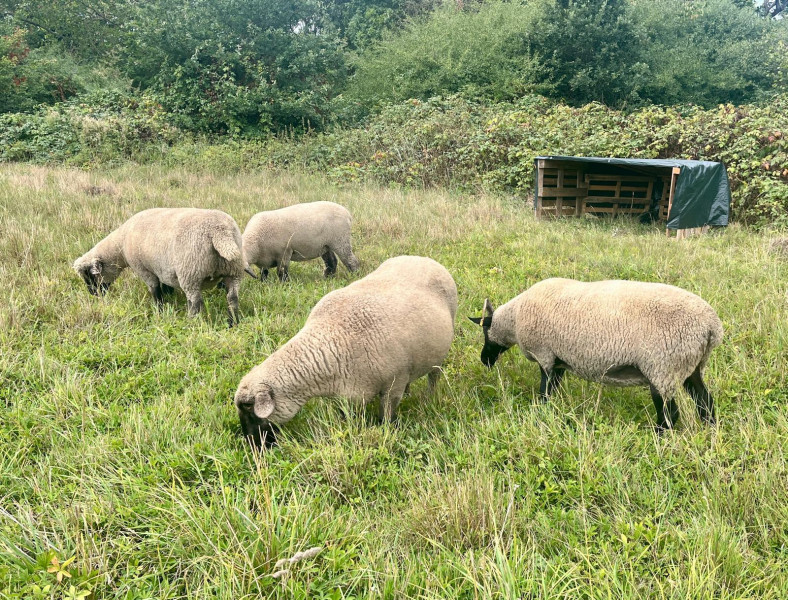
Five rare-breed sheep have returned to Hampstead Heath this week as part of a conservation mission, helping City of London Corporation ecologists explore how traditional grazing techniques can support nature recovery in London.
A flock of five Norfolk Horn and Oxford Down ewes, on loan from Mudchute City Farm, are grazing the Heath's anthill meadow for a second time this year from Wednesday 9 to Monday 21 September between 8am and 7pm each day. The sheep will be stabled locally overnight, with staff and volunteers continually monitoring their welfare throughout the day.
The City of London Corporation has managed Hampstead Heath since 1989, and has been trialling conservation grazing since 2019 to understand how it can help to maintain wildlife-rich habitats.
While sheep were once a familiar sight on Hampstead Heath, grazing disappeared during the 1950s. New research by The London Archives has uncovered records showing sheep grazed Parliament Hill, and other parts of the Heath, from the 18th century.
Their return forms part of an ongoing programme to restore traditional management techniques to support biodiversity while protecting the character of the site.
Meadow ants thrive in this area of the Heath, creating conditions for a rich variety of plants and wildlife, including green woodpeckers. The uneven terrain created by the anthills makes grazing a low-impact alternative to machinery.
The project is being delivered in partnership with the Heath & Hampstead Society, the Rare Breeds Survival Trust and Heath Hands. The London Natural History Society is surveying the site before and after grazing to help measure ecological change.
Chair of the City Corporation’s Hampstead Heath, Highgate Wood and Queen’s Park Committee, Alderman Gregory Jones KC, said:
“Grazing sheep were a familiar part of Heath life for generations, and archive discoveries have helped us better understand that history.
“We've also learned through recent trials these traditional methods can still deliver real benefits for nature today, particularly in sensitive habitats where grazing offers a low-impact alternative to machinery.
“By bringing sheep back to the Heath, we're reconnecting with that heritage while learning how to care for this special landscape in the future."
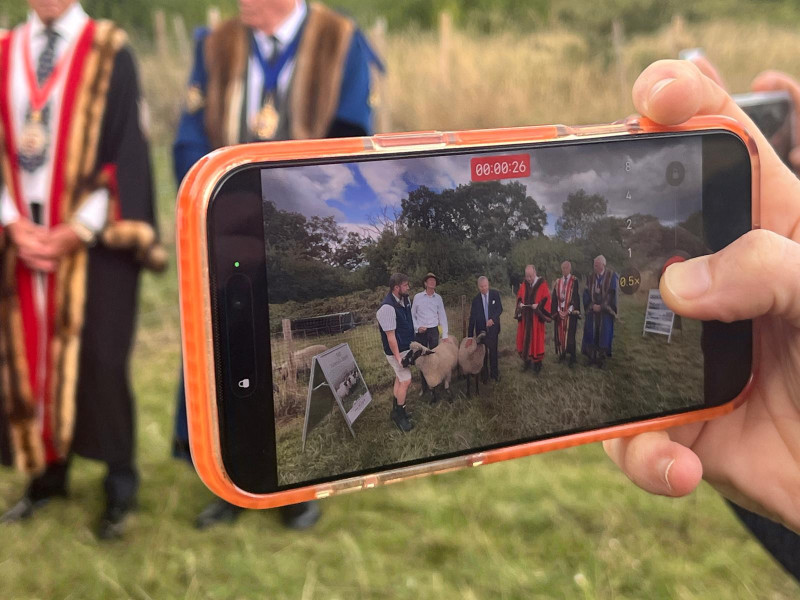
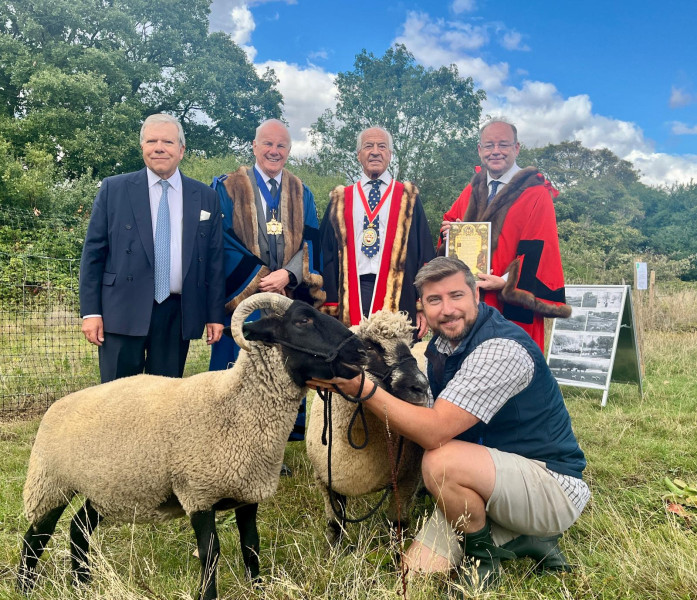
On Wednesday, a ceremonial grazing declaration was made in the presence of the Masters of both the Woolmakers’ and the Butchers’ Liveries, reflecting the historic links with the City Liveries and the life of the Heath.
Hampstead Heath, run by the City Corporation as a registered charity, is a Site of Metropolitan Importance for Nature Conservation, and forms part of the 11,000 acres of open spaces owned and cared for by the City Corporation across London and southeast England.
The Heath attracts around 8.1 million visits every year and has since 1997 continuously held a Green Flag Award – the benchmark standard for the management of recreational outdoor spaces across the United Kingdom and around the world.
Visitors are being reminded to keep dogs under effective control around the grazing area to ensure the safety and welfare of the sheep.
ENDS
Notes to editors
About the City of London Corporation:
The City of London Corporation is the governing body of the Square Mile, dedicated to supporting a diverse and sustainable London within a globally successful UK – www.cityoflondon.gov.uk.
Additional information
- The return of the sheep will be marked by a ceremonial declaration that celebrates the Heath's pastoral heritage and the longstanding relationship between London's historic institutions and its green spaces.
- Norfolk Horn and Oxford Down sheep are traditional British breeds that are particularly well suited to conservation grazing.
- Research undertaken by the London Archives shows with formal grazing licences were granted from at least 1895. The Heath experienced five heatwaves this summer and these ancient documents reveal licences adapting to the impact on grazers’ revenue caused by summer droughts.
- Historic images held within the London Picture Archive depict sheep grazing on Hampstead Heath from the late eighteenth century onwards, including artwork dating from 1786 and photographs taken on Parliament Hill in the early twentieth century.
- Conservation grazing is used across the UK to maintain species-rich habitats and support biodiversity.