Historic east London landmark saved from Heritage at Risk Register after careful restoration
[Full image gallery below]
- Wanstead Park’s Grade II listed Grotto removed from Heritage at Risk Register
- Trustee of the Epping Forest charity secures future preservation of historic structure
- 18th-century landmark no longer considered at risk
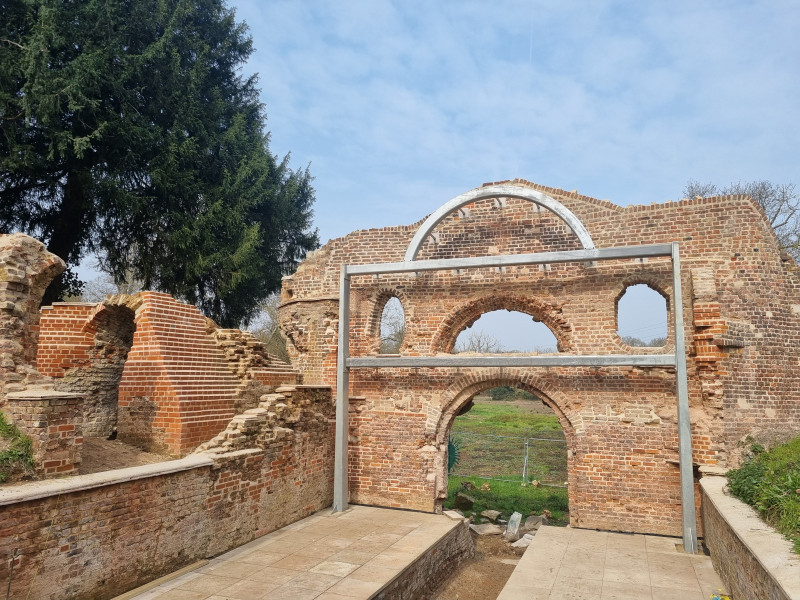
Wanstead Park's Grade II listed Grotto has been removed from Historic England's Heritage at Risk Register.
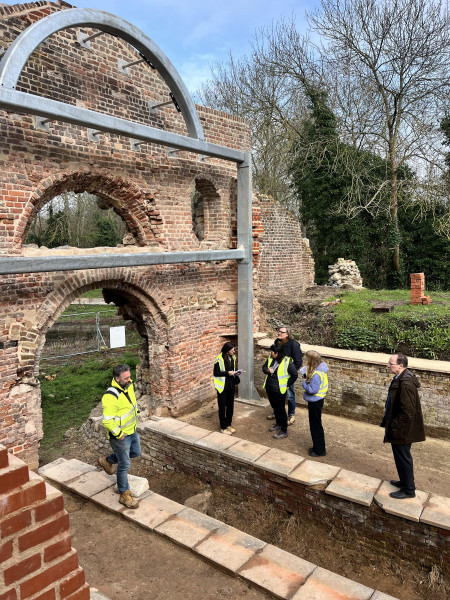
It follows years of conservation planning and specialist restoration, led by the City of London Corporation and its Epping Forest charity, to stabilise the structure, preserve its historic fabric, and secure its future.
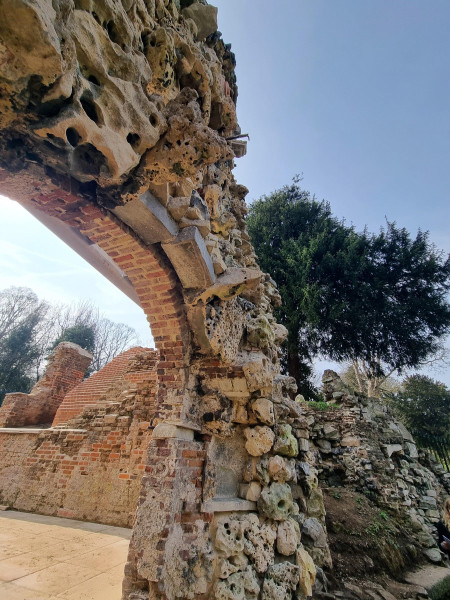
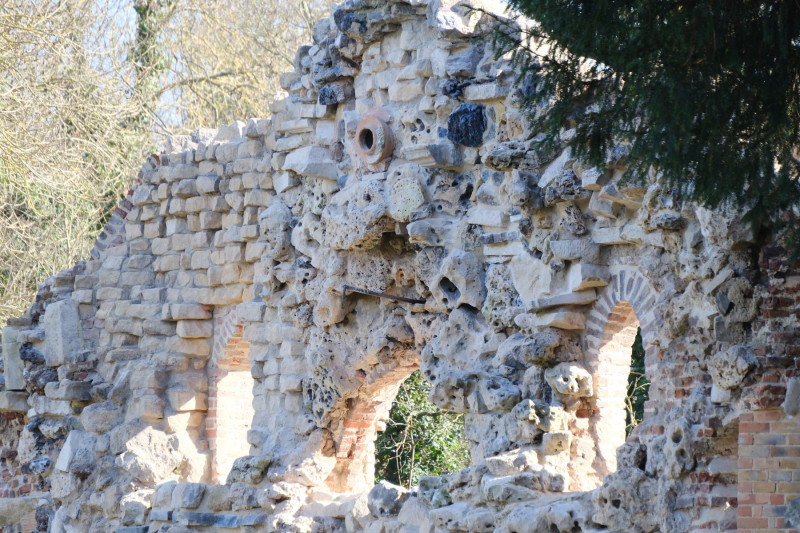
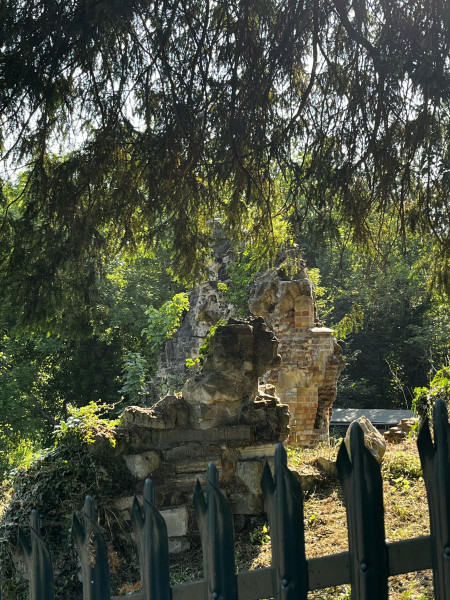
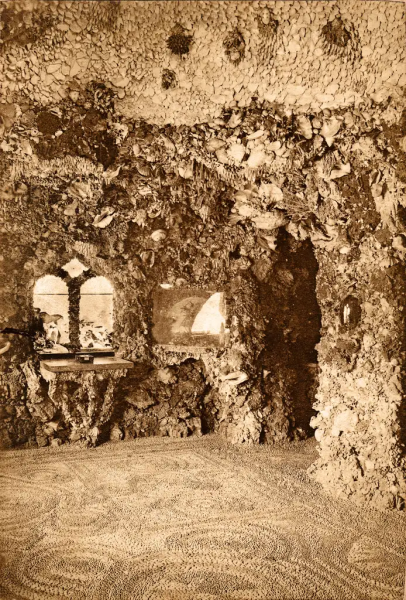
Built in 1761, the Grotto is a remarkable surviving fragment of the former Wanstead House estate, once among the grandest country houses and formal designed landscapes in Britain. Positioned beside the Ornamental Water, it was designed as a boathouse and elaborate place for entertainment with its interiors originally decorated with shells, crystals, mirrors and stones.
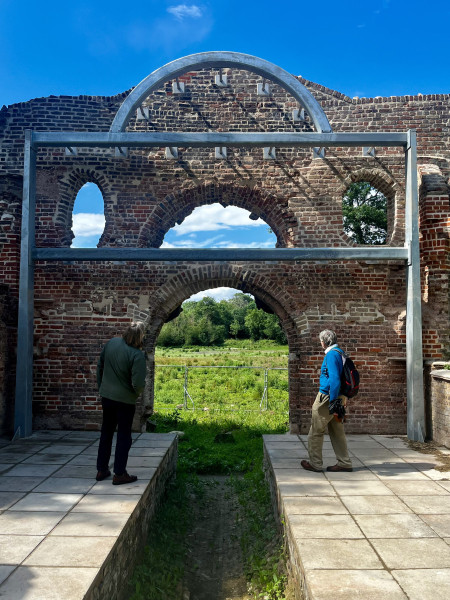
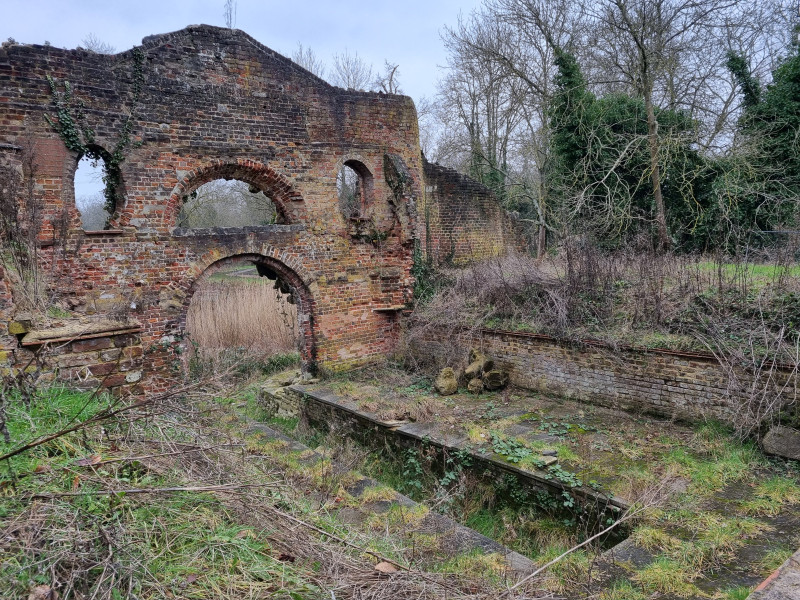
Although much of the structure was destroyed by fire in 1884, its ruins remain one of the most distinctive landmarks in Epping Forest.
A public consultation on potential work to the Grotto and other historic features is expected to begin next year, giving local communities the opportunity to help shape the park's future.
Work to secure future funding for improvements across Wanstead Park is also underway, helping the Epping Forest charity enhance visitors’ experience and celebrate the park’s unique heritage.
Chair of the City Corporation's Epping Forest & Commons Committee, Caroline Haines, said:
“The Grotto is one of Wanstead Park’s most recognisable landmarks. Generations of local people have walked past it, photographed it and wondered about the stories it could tell.
“Thanks to years of careful conservation work, investment and partnership, the future of this important piece of local history – that very nearly disappeared altogether – has been saved.”
Christopher Laine, Landscape Architect at Historic England, said:
"The removal of the Grotto from the Heritage at Risk Register is a fantastic achievement. It is testament to years of dedication by the City of London Corporation and its partners that a once-vulnerable ruin is now stable and well-maintained.
“I hope this restoration will inspire people to continue to learn about the Grotto's history and its place as an evocative vestige of one of the country's grandest – and now largely lost – designed landscapes."
Wanstead Park has been managed by the City Corporation as Conservators and Trustee of the Epping Forest charity since 1880.
Today it is recognised as a nationally important heritage landscape and wildlife site, designated as a Grade II* Registered Park and Garden, a Site of Metropolitan Importance for Nature Conservation, an Archaeological Priority Area and forms the most part of the Wanstead Park Conservation Area.
Covering more than 300 acres, the park attracts hundreds of thousands of visits each year and contains historic lakes, veteran trees, acid grassland, woodland and important remnants of the former Wanstead House estate including the nearby Temple.
The City Corporation is the sole trustee and largest funder of eight open space charities, covering over 11,000 acres and maintained at no cost to the local council tax payer.
ENDS
Notes to editors
About the City of London Corporation:
The City of London Corporation is the governing body of the Square Mile, dedicated to supporting a diverse and sustainable London within a globally successful UK – www.cityoflondon.gov.uk.
About the project:
- The nine-year project to conserve the Grotto was led and primarily funded by the City of London Corporation, working with Historic England and Heritage of London Trust.
- Around £1 million in funding was secured to support the conservation of this Epping Forest charity asset.
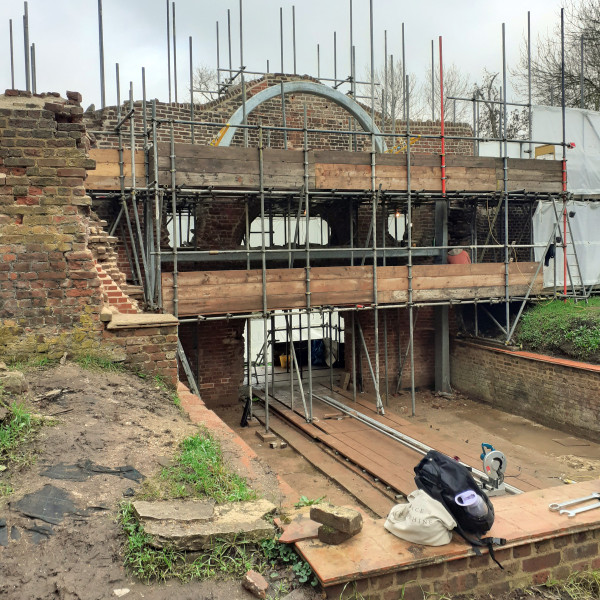
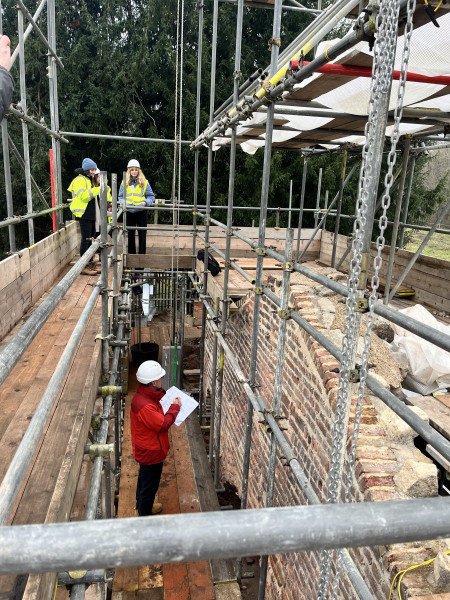
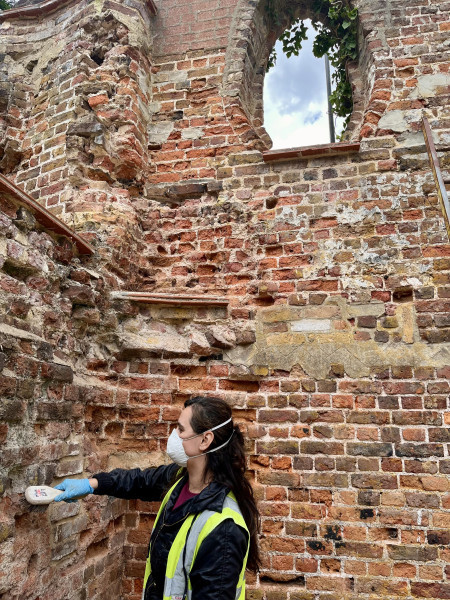
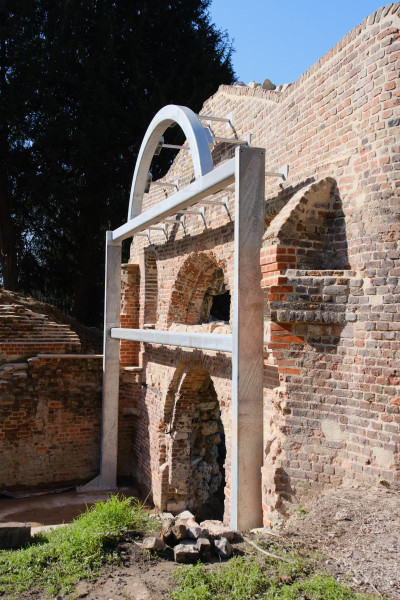
- The programme included repairs to the historic brickwork, careful removal of vegetation and the installation of new structural supports to stabilise the surviving fabric and halt its decline.
- The project combined specialist conservation planning with long-term management. Work on the Conservation Management Plan and Restoration and Maintenance Plan began in 2019, involving City Corporation heritage and natural environment teams, sector bodies, local stakeholders and appointed consultants.
- The restoration reflects its long-term commitment to protecting the historic environment in its care and preserving the Grotto for future generations.
About Historic England:
Historic England is the public body that helps people care for, enjoy, and celebrate England’s spectacular historic environment. It provides expert advice, guidance, and funding to protect the country’s most significant historic places for future generations.
For more information visit www.historicengland.org.uk/about.