
London's parks chiefs unite for heatwave safety appeal
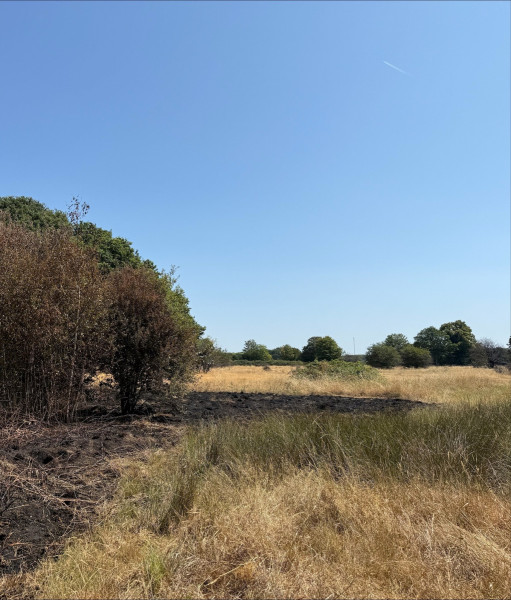
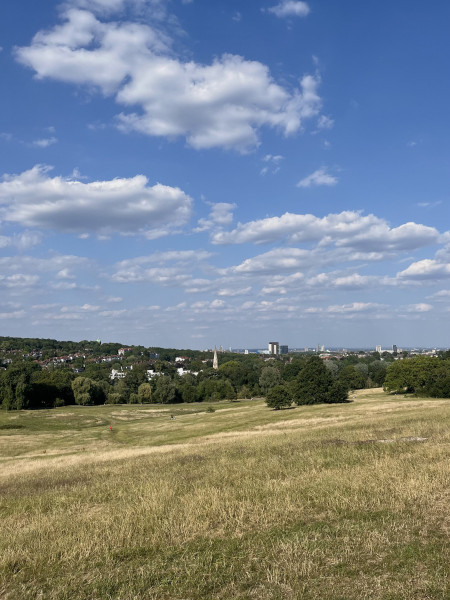
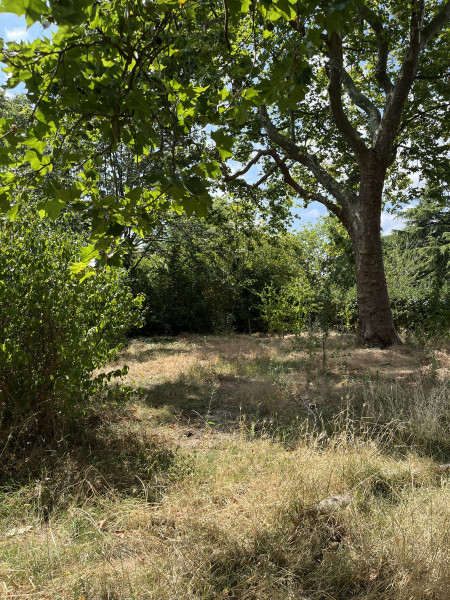
- City of London Corporation, The Royal Parks, The National Trust, Lee Valley Regional Park Authority, Queen Elizabeth Olympic Park, Crystal Palace Park and Parks for London issue joint safety appeal as Amber heat alert is triggered
- Visitors urged to help prevent wildfires and avoid unsafe swimming during hot, dry weather
- Millions expected to visit London's parks and open spaces during the heatwave
Following the issue of an Amber heat alert, the City of London Corporation, The Royal Parks, The National Trust, Lee Valley Regional Park Authority, Queen Elizabeth Olympic Park, Crystal Palace Park, and Parks for London have joined forces to encourage people to enjoy the capital’s open spaces safely.
With millions of visitors expected in London’s parks, the organisations are urging everyone to take a few simple steps to protect themselves, others, and the environment:
- Keep out of un-lifeguarded lakes, ponds, reservoirs, and other open water where swimming is prohibited. Cold water shock and hidden hazards can prove fatal, even in hot weather
- Help prevent wildfires by never lighting barbecues or open fires, disposing of cigarettes safely, and taking litter home or using bins provided
- Carry plenty of water, stay hydrated, use suncream, and seek shade during the hottest part of the day
- Respect park staff, wildlife, and fellow visitors by following local safety advice
The organisations behind the appeal manage some of London's most popular green spaces, including Epping Forest, Hampstead Heath, Hyde Park, Richmond Park, Morden Hall Park, Osterley Park, Walthamstow Marshes, and Gunpowder Park, which welcome tens of millions of visitors every year.
Chairman of the City of London Corporation's Natural Environment Board, James St John Davis:
"London's green spaces are at their best in the sunshine, but after weeks of hot, dry weather they're also at their most vulnerable. It only takes one barbecue, one discarded cigarette, or one decision to enter unsafe water for a day out to end in tragedy or put others at risk.
"We're asking everyone to make the safe choice - stay hydrated, keep out of un-lifeguarded water, dispose of litter responsibly, and never light barbecues or open fires. By making a few simple choices, we can protect these treasured green spaces and help ensure everyone can enjoy them safely throughout the summer."
Director of Parks at The Royal Parks charity, Darren Share, said:
“London’s parks are a lifeline for millions during extreme heat, offering shade, space and refuge, but in hot, dry weather, the risk of wildfire escalates. A single spark from a barbecue, cigarette or piece of glass can ignite a fire in seconds, putting visitors in extreme danger, burning through protected habitats and killing wildlife. Please enjoy a picnic, but leave barbecues at home, fully extinguish cigarettes, and take litter home if bins are full.
“We know many people will be looking for ways to stay cool in this heat, and we’re reminding Londoners to only swim in designated areas during lifeguarded opening times. Please follow the rules and help ensure a day in the park does not end in tragedy.”
Head of Parklands at Lee Valley Regional Park Authority, David Hutley, said:
“Many of Lee Valley Regional Park’s London sites are vulnerable during prolonged hot, dry weather. They have already suffered six fires, destroying almost 2.5 acres of grassland, so we urge visitors to take extra care. Please take your rubbish home, as discarded glass bottles and cigarettes can all spark fires.
“London’s parks welcome millions of visitors and are home to precious wildlife and habitats. From water voles and kingfishers to hundreds of plant species, these spaces need protecting. By using our parks responsibly and following safety advice, everyone can help keep London’s green spaces safe this summer.”
General Manager at National Trust Morden Hall Park, Abi Mcneil, said:
"We know first-hand how devastating these fires can be. In 2022, a fire believed to have been caused by a disposable barbecue burned through part of Morden Hall Park, damaging habitats and putting wildlife at risk. With the park currently so dry, it only takes a single spark to start a serious fire. What might seem like a small mistake can have lasting consequences, destroying decades of conservation work in a matter of hours and putting people, wildlife and emergency responders in danger.
"We're asking everyone planning to enjoy London's parks this summer to help protect these special places. Please leave barbecues and campfires at home, dispose of cigarettes safely and take all litter home with you. By making a few simple choices, we can all play a part in keeping Morden Hall Park and other green spaces safe for people and nature."
Executive Director of Estate and Neighbourhoods at Queen Elizabeth Olympic Park, Mark Camley, said:
"London is one of the world's greenest cities, with parks, commons and open spaces that give millions of people the chance to enjoy nature, stay active and find respite during high temperatures.
"We're proud to be working alongside park organisations across the capital to encourage everyone to enjoy these places safely. We are asking everyone to help protect them by taking sensible precautions, following local safety advice and showing consideration for the people and wildlife that share these spaces. By working together, we can ensure London's green spaces remain safe, welcoming and resilient for everyone to enjoy throughout the summer."
Executive Director of Parks for London, Ed Stannard, said:
“London’s parks and green spaces are invaluable places for people to escape to and enjoy during hot weather and we all have a role to play in keeping them - and the people who work in them - safe.
“By taking simple precautions such as staying hydrated, avoiding unsafe swimming, and helping to prevent wildfires, visitors can protect themselves, others, and the precious green spaces that millions of Londoners rely on.”
For the latest weather warnings and heat health advice, visitors should follow guidance issued by the Met Office and the UK Health Security Agency before travelling.
ENDS
Notes for Editors
For further information, please contact City of London Corporation Media Officer, Joe Smith / 07743 167 194 / joseph.smith@cityoflondon.gov.uk
About the City of London Corporation
The City of London Corporation is the governing body of the Square Mile dedicated to a vibrant and thriving City, supporting a diverse and sustainable London within a globally successful UK – www.cityoflondon.gov.uk.
The organisation protects 11,000 acres of green space across London and southeast England, including Epping Forest and Hampstead Heath - an area equivalent to 20 Hyde Parks.
Most of these sites are charitable trusts and run at little or no cost to local taxpayers. These sites attract nearly 50 million visitors a year and remove an estimated 16,000 tonnes of carbon dioxide annually.
About The Royal Parks charity
The Royal Parks is the charity which manages, protects, and improves the parks in an exemplary and sustainable manner so that everyone, now and in the future, has the opportunity to enjoy their natural and historic environments.
The charity looks after eight of London’s finest open spaces: Hyde Park, Kensington Gardens, St James’s Park, The Green Park, The Regent’s Park and Primrose Hill, Greenwich Park, Richmond Park, and Bushy Park. It also manages other important open spaces in the capital, including Brompton Cemetery and Victoria Tower Gardens. It costs around £75m a year to manage the parks. The charity raises around 85 percent of its income independently with the remaining 15 percent funded by Government.
For further information please visit: www.royalparks.org.uk and follow The Royal Parks on, Facebook.com/TheRoyalParksLondon and Instagram.com/TheRoyalParks.
About Lee Valley Regional Park
Lee Valley Regional Park stretches 26 miles along the River Lee from the banks of the River Thames at East India Dock Basin to Ware in Hertfordshire. It’s patchwork of award-winning nature reserves, green spaces, heritage sites and riverside trails, attracting around five million visits a year. In London these include Bow Creek Ecology Park, Walthamstow Marshes, Tottenham Marshes, Gunpowder Park and around a third of Queen Elizabeth Olympic Park. Our open spaces include eight Sites of Special Scientific Interest (SSSI), a designation reserved for the most important areas for nature across the UK.
About The National Trust
The National Trust is an independent conservation charity founded in 1895 to preserve historic and natural places in England, Wales and Northern Ireland and open them up for everyone to enjoy. 131 years later and that mission is still at the heart of what we do.
Over the next decade, our cause will be delivered through our People & Nature Thriving strategy. We have three ambitious goals: to restore nature - not just on National Trust land, but everywhere; to end unequal access to nature, beauty and history; and to inspire millions more people to care and take action.
With our 5.3m members, 40,000 volunteers, and our supporters, partners and communities, we collectively represent a cause that's bigger than just ourselves: it's about caring for nature and heritage everywhere, for everyone, for ever.
About Queen Elizabeth Olympic Park
London Legacy Development Corporation (LLDC) is responsible for the development of Queen Elizabeth Olympic Park - a vibrant east London destination where culture, creativity and community converge. Built on the legacy of the London 2012 Olympic and Paralympic Games, it is now an innovation district where people can live, work, study and visit – bringing new homes, jobs and opportunities while driving long-term growth and investment across east London, the capital and the UK.
Spread across 560 acres, it brings together dynamic neighbourhoods, diverse communities, world-class cultural, entertainment and sporting venues, leading education and research institutions and a food and drink scene, all set within expansive parklands, historic waterways and rich biodiversity.
At its heart lies a collaborative ecosystem anchored by innovation leaders, universities and East Bank – the UK’s most ambitious cultural and education quarter, home to BBC Music Studios, UAL’s London College of Fashion, UCL’s East campus, Sadler’s Wells East and V&A East Museum and Storehouse. Working alongside local entrepreneurs and communities, these globally recognised institutions develop, test and scale bold ideas in real-world conditions that deliver tangible benefits for east London and beyond - QueenElizabethOlympicPark.co.uk.
About Crystal Palace Park
Crystal Palace Park is not your typical park. At over 200 acres, it is far larger than most urban parks. Beloved as a ‘back garden’ to many people in the surrounding neighbourhoods, it is also of national and international significance due to its design as the grounds to the Victorian architectural masterpiece, The Crystal Palace, following its move from Hyde Park in 1854.
As a result – as well as being home to a wide variety of plants, trees and animals, the park is rich in unique heritage including the 170-year-old world-famous Dinosaurs, sphinxes and Italian Terraces, as well as a younger, but not less unique, architect-designed outdoor concert venue. Today, about one million people visit the park every year; to relax and meet friends and family, take part in sports and physical exercise, enjoy world class acts during summer festivals or simply have a moment of peace and enjoyment of nature – www.crystalpalacepark.org.uk
About Parks for London
Parks for London is a pan-London infrastructure organisation that represents those who own, manage, and maintain London’s parks and green spaces. We work closely with the London boroughs, major landowners, and those from independent park trusts, grounds maintenance contractors, conservation organisations, charities, NHS Foundation Trusts, housing associations, and others. We work collaboratively to create a connected and valued green space sector which delivers quality, resilient, accessible, and inclusive green spaces for people and the environment.
ENDS